Controlled Burning on Heathlands: Why, When, and How It Works
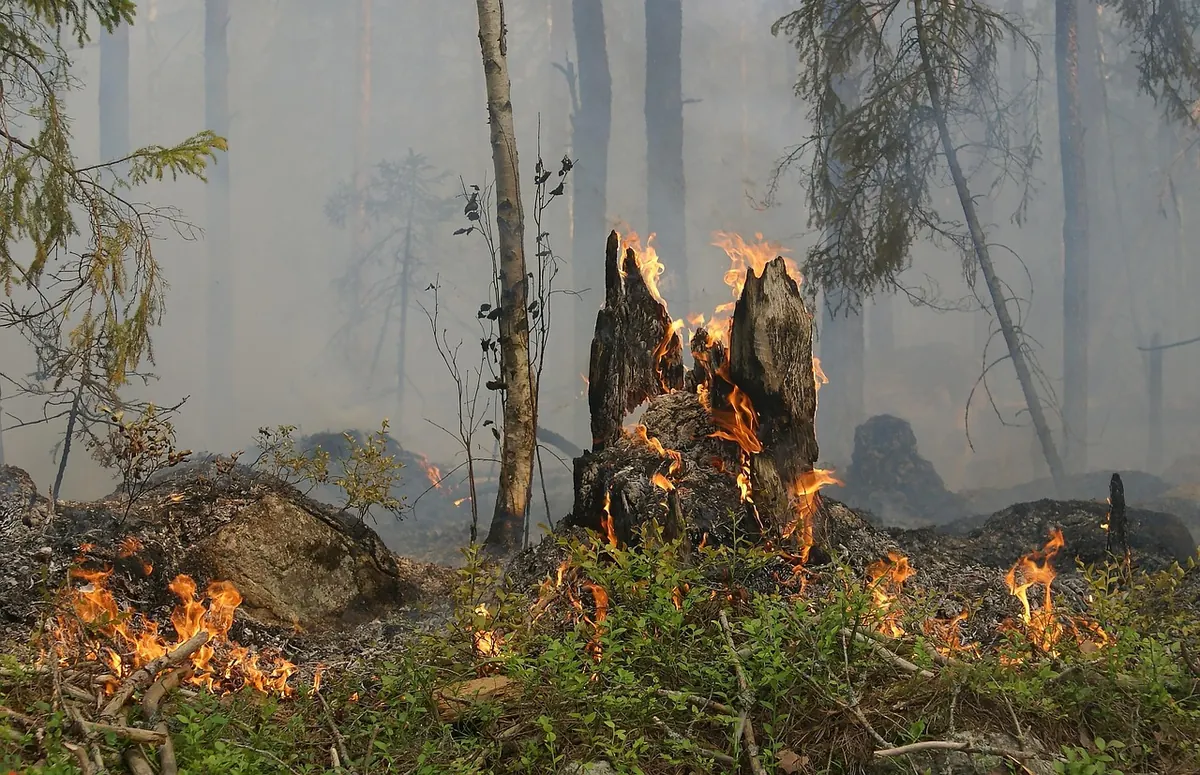
Heather ages. Left alone, a stand of it grows woody and thin at the base, then slowly gives way to grass, bracken, birch scrub and a deep mat of dead litter. On a heath that has been managed for centuries, that ageing is interrupted — not everywhere, not all at once, but in patches, on a rotation. Fire is one of the oldest tools for doing the work. Used well, it is not destruction. It is a reset.
Why Heathland Needs Disturbance
A heather plant passes through recognisable stages: young and leafy, dense and building, mature and flowering, then old and sprawling. Each stage suits different wildlife. Fresh shoots feed grouse, sheep and deer. Tall mature heather hides nesting birds. Old, mossy stands shelter invertebrates and lichens, and the bare ground between patches is where reptiles and insects bask in the sun.
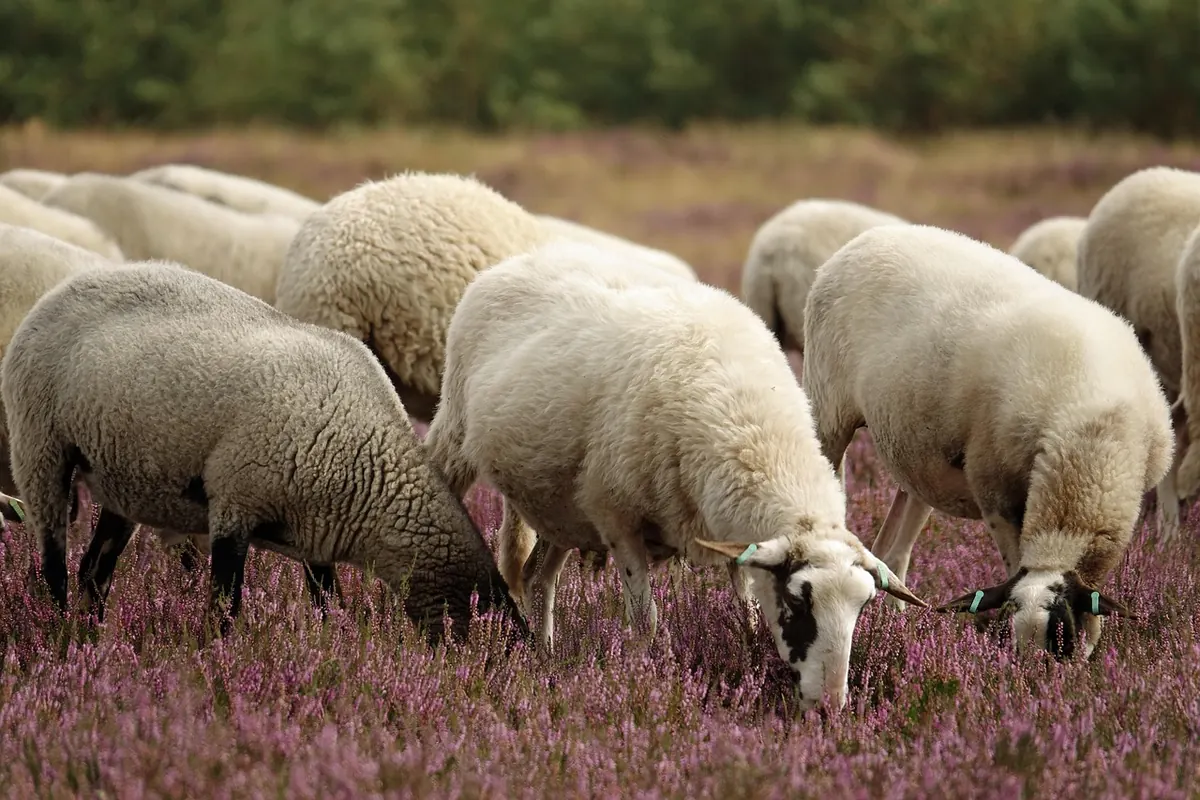
The trouble is that without grazing, cutting or fire, a whole block of heather drifts into the same old age at the same time. Flowering drops, the canopy opens, litter accumulates, and the seedlings that would replace it have nowhere to germinate — heather seeds best on thin litter or bare ground. Scrub creeps in from the edges. Within a few decades you have a dark, uniform, leggy stand and far fewer species living in it.
Rotational burning interrupts that slide. The aim is a patchwork: a few hectares burnt last winter, some burnt ten years ago, some left well alone. Different heights, different ages, different microclimates. That mosaic is what makes a heath work for wildlife, and it is also what makes it harder for a single wildfire to sweep the whole site.
When to Burn: The Narrow Window
The traditional season runs from late autumn through to early spring, when heather growth has stopped and most nesting is over. But the calendar is not the deciding factor — conditions are. You want the standing heather dry enough to carry a steady fire and the ground beneath it wet and cool, so the flames take the crop without cooking the roots, the seed bank and the soil.
That combination sounds contradictory, and it is. It usually arrives after rain, once a day or two of wind has dried the top growth but not the peat. Signs you are in the window:
- Heather stems snap crisply when you bend them; the canopy burns, the base does not.
- The ground squelches underfoot, or holds water in the hollows.
- Wind is light to moderate and steady — enough to push a fire, not enough to send it over a break.
- Rain is forecast within a day or two, so smouldering patches will be damped out naturally.
Walk away in a drought, in high winds, in the middle of the nesting season, or on ground that is tinder-dry down into the peat. It is better to lose a season than to lose a site.
Where to Burn — and Where to Leave Alone
Most of the skill in burning lies in choosing what not to burn. Leave the deep peat alone: where peat is thick, fire damages a carbon store that took thousands of years to form and can smoulder underground for days. Keep the fire off steep slopes, where it runs faster than anyone can follow, and away from stream edges, flushes and bog pools that hold their own specialised plants.
Also step back from archaeological features, from young trees and scrub you want to keep, and from any area known for a sensitive species. And always keep unburnt refuges inside and beside the burn block — strips of older heather where insects, lizards and small mammals can sit out the fire and recolonise afterwards. Many managers leave a generous share of each block untouched, and it pays off in how quickly the burnt ground recovers.
How a Controlled Burn Works, Step by Step
- Walk the block a week ahead. Mark the boundaries, note the peat depth, pick your escape routes and decide where the unburnt patches will stay.
- Cut or mow firebreaks. A break of bare ground or short grass gives you an edge to start from and somewhere to stop.
- Check the forecast and your permissions. Notify the fire service and neighbours where required, and confirm that no burning restrictions apply to your site.
- Gather the kit. Beaters, knapsack sprayers or a bowser, water, gloves, eye protection, and clothing that will not melt. Never burn alone — three people is a sensible minimum.
- Start into the wind. A back fire creeping against the wind is slow, cool and controllable. Let the wind do the work rather than chasing a head fire across the moor.
- Keep the flames short. Knee- to waist-high flame is a cool burn. If flames reach head height, the fire is into the litter and peat, and you are losing both control and the habitat you came to improve.
- Burn in strips, then stop while you are still comfortable. Mop up the edges with water, and check the ground again before you leave for the day.
Safety essentials
- Watch the wind constantly — a small shift turns a safe flank into a running fire.
- Always work with burnt ground behind you as a retreat.
- Stop early in the afternoon; tired crews make mistakes, and smouldering peat is easy to miss in fading light.
After the Fire: Grazing, Cutting and Follow-Up
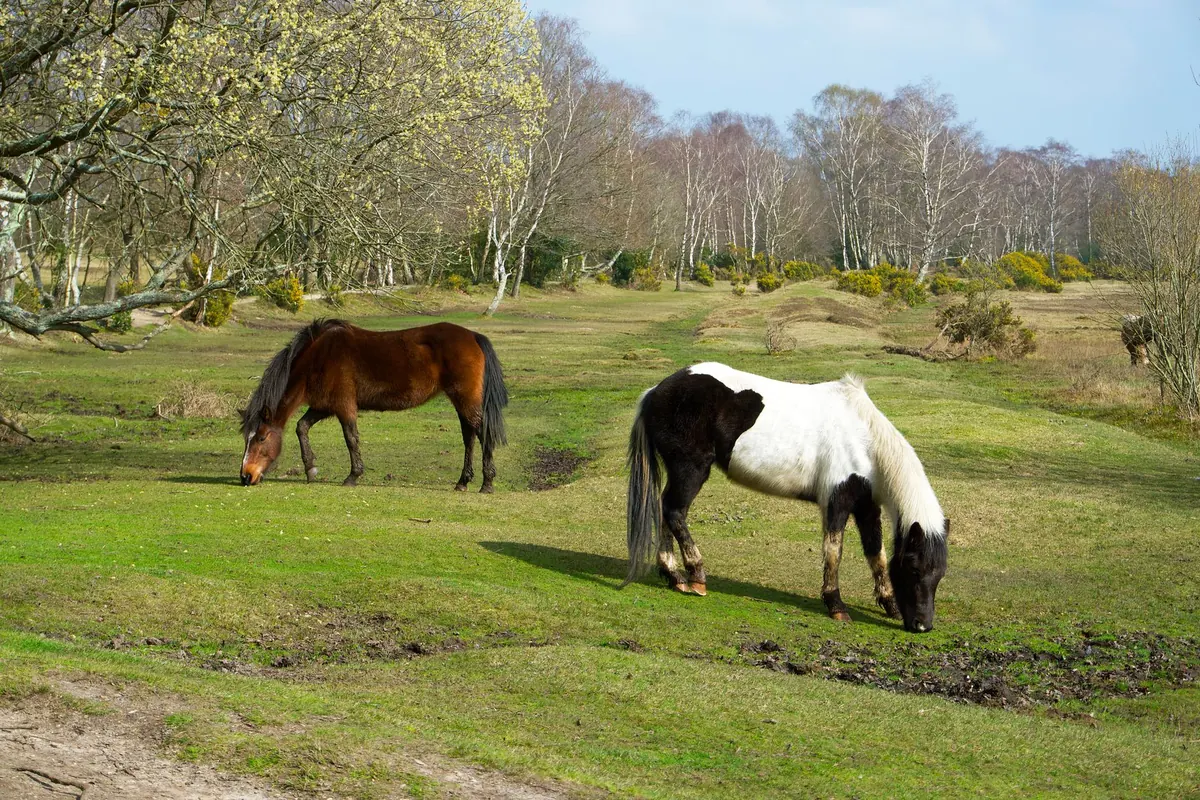
The weeks after a burn look stark — black ground, white ash, a smell that lingers. Recovery starts faster than most people expect. Mosses and grasses green up first, then heather seedlings appear where the litter layer was thin. Ash gives a brief flush of nutrients, which is exactly why grazing control matters. Put too many sheep or deer onto fresh regrowth and you will get grass instead of heather, and you may not get the heather back for years.
Rest the burn for a season or two, then graze it lightly. Check the regrowth at fixed points with photographs so you can see what is actually happening rather than what you remember. Burn the same patch too often — every few years — and heather gives way to purple moor grass and the seed bank thins out. Leave it too long and you are back where you started, with a rank stand and a wildfire risk. On a dry lowland heath a rotation of roughly ten to twenty years is a common starting point, stretched on wetter or higher ground. Cut or mow instead where machines can reach, where the peat is deep, or where smoke near houses and roads is a problem.
If You Are Managing a Heath for the First Time
Start small. One modest strip, burnt on a damp day with two people and a clear escape route, teaches more than any plan on paper. Before you go further, check the rules — burning on deep peat is restricted in parts of the UK, and the details differ between England, Scotland, Wales and Northern Ireland. Your local nature conservation agency and fire service can tell you what applies on your site, and it is worth taking their advice before you plan a season's work.
Draw the rotation on a map, write down the date, wind, flame height and how each patch regrew, and keep the plan flexible. Fire is one tool among several, alongside grazing, cutting and simply leaving ground undisturbed. On a healthy heath you will see all of them at work.
Photo: Ylvers / Pixabay