Heathland Visitor Checklist: 10 Ways to Avoid Damaging Fragile Habitats
Heathland looks tough. Tough enough that plenty of people treat it as rough ground to be crossed rather than a habitat worth tiptoeing around. But the dry sandy soils, the low mat of heather, the lichen and moss crusts, the nests tucked into gorse and grass — they are all more brittle than they look. One misplaced foot on a lichen patch, one still-warm disposable barbecue left in dry heather, and the damage can take years to heal. Fire can change a place permanently. None of that means staying home. It means a little thought before you park, and a little care once you're out.
Before You Go: Know What You're Walking On
Heathland is rarely one thing. A single site can hold dry heath with ling and bell heather, wet heath with cross-leaved heath and bog mosses, acid grassland, mire, scrub and bare sand. Each behaves differently under a boot. Dry heath is brittle and slow to regrow. Wet heath ruts deeply and holds the scar for a long time. Bare sand patches may look like waste ground but can be exactly where sand lizards, burrowing bees or rare burrowing wasps live.
Most reserves and commons publish their own rules, and those rules are usually there for a reason rather than to spoil your afternoon. Ten minutes on the site's page will tell you whether dogs must be on leads, whether a section is closed for nesting or post-fire recovery, whether grazing animals are on site, and whether there is anywhere to park that isn't a fragile verge.
Two things are worth checking even on a site you know well. Is this nesting season? Ground-nesting birds such as nightjar, woodlark, curlew and lapwing are at their most vulnerable from early spring into midsummer, and a dog off the lead can clear a whole field of nests in a few minutes. And is the site grazed? If so, gates are working infrastructure, not scenery.
Check Conditions, Closures and Fire Risk
Heathland burns. Dry heather, dead grass and a bit of wind are all it takes, and a fire on open heath can move faster than most people can run on uneven ground. That is the honest reason behind every "no fires, no barbecues, no smoking" sign you will see.
Before you set out, check the weather and any fire danger warning for the area. After a run of dry days in spring or late summer, treat the whole site as tinder. If there has been a recent fire, expect closures — newly burnt ground is fragile, and the recovery work going on there needs people kept off it.
If you do see smoke or flames, call the fire service and give a clear location, then get out by the shortest safe route, preferably along a track or road rather than across open vegetation. Don't assume someone else has already called. And if you smoke, smoke it in the car park or not at all; a cigarette end thrown into heather is not a small thing.
Pack So You Leave Nothing Behind
What you carry decides how much you can accidentally leave. A short list that works for most heathland days:
- Water in a refillable bottle. Glass is a fire risk in strong sun and a litter hazard when it breaks.
- A bag for rubbish, plus a spare for anything you find. Gloves or a litter picker make picking up other people's mess far less grim.
- All food waste, taken home. Apple cores, orange peel and dropped sandwich crusts pull in crows, gulls and foxes, and those predators take eggs and chicks.
- No disposable barbecue, no camp stove, no firelighters unless the site explicitly allows them in a fixed spot.
- Binoculars. They are the single best tool for seeing more while disturbing less.
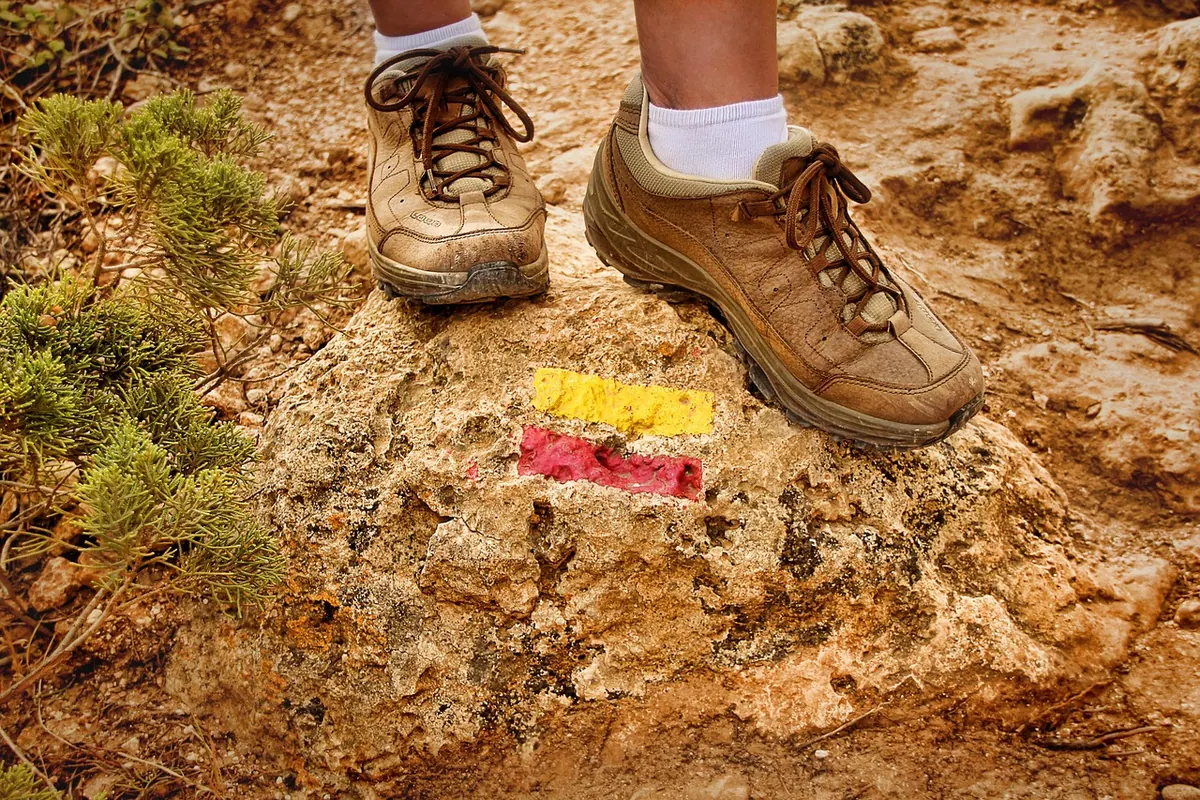
- Boots with grip and a paper map or offline map so you aren't tempted to cut across vegetation to find a path.
Walk Light: How to Move Without Widening the Damage
Most heathland damage isn't vandalism. It's the accumulated effect of ordinary walking, and it shows up as paths that get wider every year.
Heather stems snap rather than bend. Lichens and mosses die back when they're crushed, and the bare sand underneath then blows or washes away. That's how a single-track path becomes a five-metre scar.
So: walk in single file on narrow paths, and step aside onto bare sand or stone when someone passes, not onto the vegetation. If a puddle blocks the way, walk through it or along its edge rather than around it — going around is exactly how braided trails start. Don't cut corners at gates and stiles; the worn triangle of dirt beside every stile is a small monument to impatience. In winter, keep to firm tracks and stay off wet heath and bog, which rut badly and recover slowly.
If it's too wet to walk through, it's too wet to walk around.
Leave dead wood, stones and cut brash where they lie. They look like debris, but they're cover for adders, lizards, beetles and small mammals. On recently burnt ground, stay on marked routes only, even if the ground looks bare and harmless.
Dogs, Wheels and Drones
Dogs are welcome on most sites and a problem on all of them if they're running loose in the wrong month. Keep yours on a lead where signs ask for it, and always near livestock and between spring and late summer. A dog that digs, crashes through heather or chases a lizard is doing more damage than its owner usually realises. Bag the mess and carry it out — a bag left hanging in a bush is worse than nothing.
Cyclists and horse riders should stick to designated routes. Heathland tracks are often thin sandy soils over gravel, and a wet winter of tyres and hooves turns them into gullies. Drones are banned on many reserves, and even where they're permitted they panic birds and disturb livestock; leave them at home. At dusk, when nightjars and other nocturnal species are active, keep torches low and pointed at the ground.
Wildlife: Watch More by Staying Further Back
The best wildlife encounters on heathland usually happen at a distance. A bird that starts alarm-calling, or that flutters away from you trailing a wing as if injured, is telling you that you are close to a nest. Back off the way you came, quietly and without rushing.
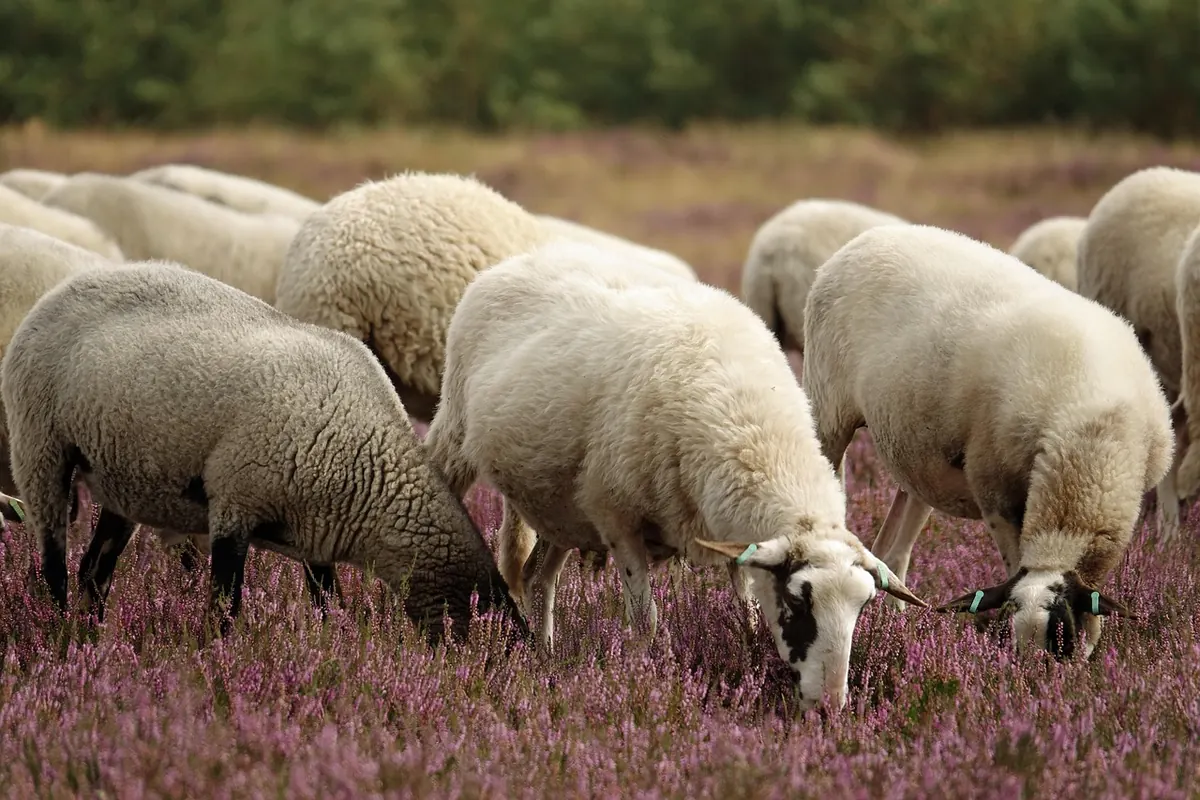
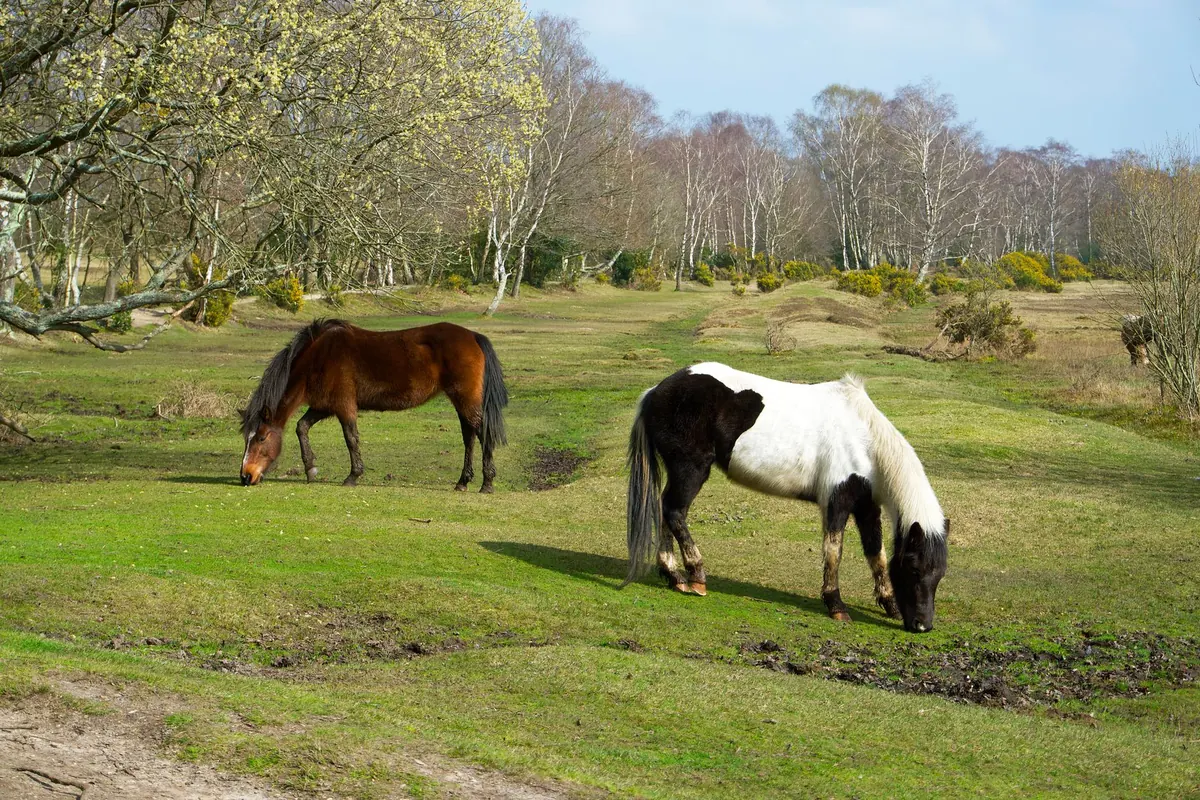
Don't follow reptiles to get a photograph, don't handle them, and teach children to look rather than chase. Don't feed anything, including the ponies and cattle that may be grazing the site — they're there to do a job, and human food makes them ill and bold. Keep voices low, particularly at dawn and dusk.
One practical note: heathland is tick country. Check yourself and your dog after a visit, remove any tick promptly with fine tweezers, and if you later develop a spreading rash or feel unwell with flu-like symptoms, speak to a doctor and mention the bite.
Your Ten-Point Heathland Checklist
- Read the site's own rules and any seasonal closures before you travel.
- Check the weather and the local fire danger, and change your plans if it's tinder-dry.
- Park in the car park only, never on verges or in front of gates.
- Leave fires, barbecues, stoves and glass at home.
- Keep to marked paths, walk single file, and don't widen a path to avoid a puddle.
- Keep dogs on a lead where asked, and always around livestock and nesting birds.
- Take every piece of food waste home, including cores and peel.
- Leave logs, stones and brash where they are.
- Watch wildlife from a distance, and back away from alarm calls or distraction displays.
- Report fires, fly-tipping, injured animals or damaged gates to the site's manager.
None of this is complicated, and none of it takes the pleasure out of a day on the heath. If anything, walking with a bit of attention makes you see more — the lichen patterns under your boots, the lizard that slips away because you weren't chasing it, the nightjar churring from a spot you'd have walked straight past. Heathland has been shaped by centuries of human use. It survives because people keep using it carefully.
Photo: GregMontani / Pixabay