Rewetting Dry Heath: A Beginner's Guide to Restoring Boggy Patches
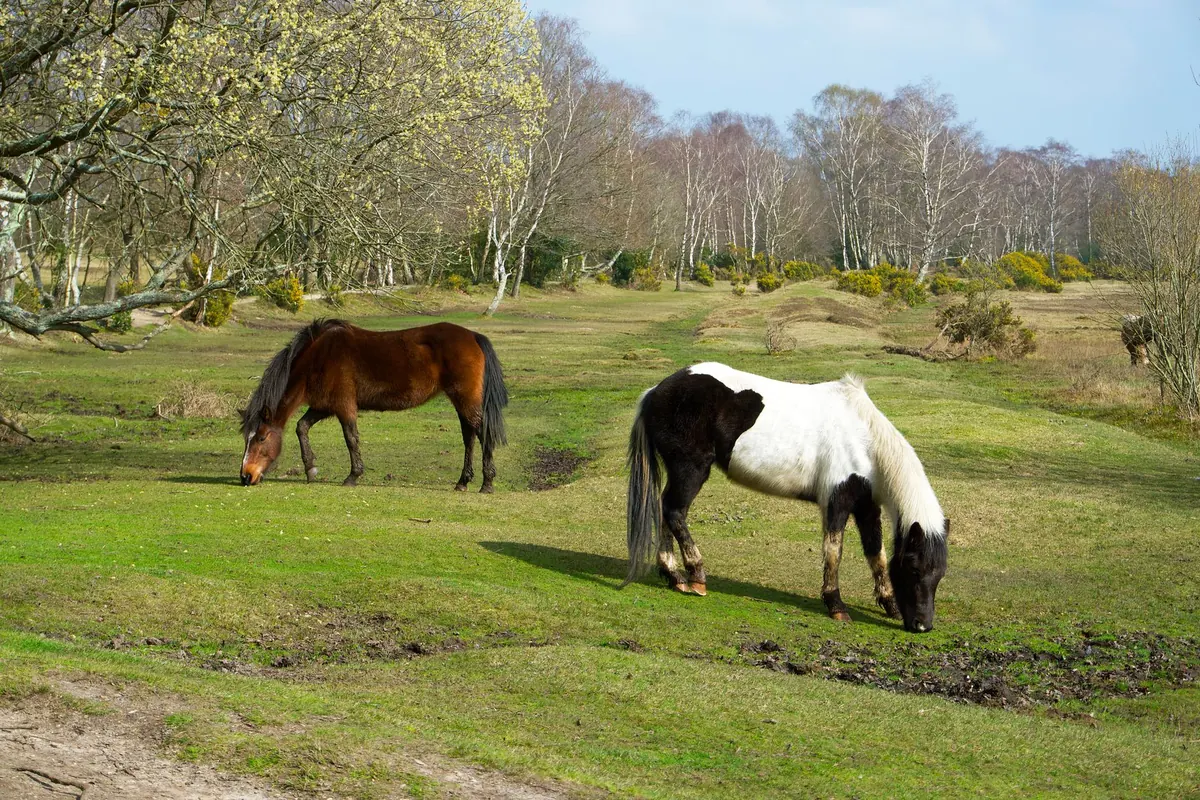
A dry heath can still look handsome: billowing heather, silver birch at the edge, a skylark overhead. But press a hand into the ground and you may find peat like dust, sphagnum absent, and straight ditches carrying every drop of rain off the site. Rewetting is the art of holding some of that water back—not to flood the whole place, but to restore the damp, spongy patches that heathland mosaics depend on. It is slower than a digger and cheaper than a new fence, and it starts with reading the land.
Start by reading the water
Before you block a single drain, work out where water comes from, where it goes, and what you are trying to protect. Heathland is a mosaic: dry banks of heather and gorse, damp hollows, flushes, and peatier pockets. The boggy patches are often the richest parts, holding water like a sponge and releasing it slowly through dry spells.
Walk the site in wet weather. That is when the problems show themselves. Note the raw edges: straight ditches, often with spoil banks alongside, eroded gullies, bare peat, and heather that has grown tall and leggy without any moss beneath it. Old maps and aerial photographs can reveal drains that have been ditched and forgotten.
A simple site walk
- Mark ditches, gullies, and any pipe outlets on a rough sketch.
- Look for existing wet flushes and patches of sphagnum, cottongrass, or cross-leaved heath.
- Check soil depth with a rod or hand auger; peat feels soft and spongy, sand feels gritty.
- Note footpaths, fences, boundaries, and neighbouring land.
- Record anything that looks like an archaeological feature, such as old banks or hollows.
Permission comes first. If the site is a protected area, common land, or has a conservation designation, ask the relevant conservation body or landowner before you start. If you are unsure who to contact, your local wildlife trust or equivalent organisation can point you in the right direction. The same applies if your work could affect a watercourse or a neighbour’s land.
Simple techniques that work at small scale
The principle is simple: slow the water down and raise the water table. You do not need heavy machinery to make a difference. A few well-placed blocks in one ditch can spread water sideways into the peat, where it can be stored and released slowly.
- Ditch blocks. In shallow drains, pack cut turfs, timber, or clean stone to create a series of leaky dams. Leave a notch at the top so water still moves in heavy rain rather than blowing out the sides.
- Bunds. Low banks of peat or soil across a slope can catch water and hold it in a hollow. Keep them low and wide; tall, narrow banks are more likely to erode.
- Gully stuffing. In eroded gullies, place loose heather brash, dead vegetation, or timber to slow the flow and trap sediment. Do not block a gully completely if it is the only route for storm water.
- Leaky dams. Logs or branches pinned across a channel can slow water without stopping it. They are especially useful where you want to avoid a hard barrier.
Start with one drain or one gully. Watch what happens over a winter before extending the work. A small trial teaches you more than a large gamble.
Where to put water—and where not to
Not every dry patch should become a bog. Aim for the natural wet hollows, old peat cuttings, and flushes where water already gathers. Those are the places where a little help can tip the balance.
Avoid steep slopes, where trapped water can cause erosion. Keep water away from footpaths, tracks, and archaeological features. And do not flood a neighbour’s field or garden; if water crosses a boundary, you need to talk to the people affected before you change anything. On a protected site, a conservation officer can help you decide where water should go and where it should not.
Rewetting is less about adding water than about stopping it from leaving too quickly.
Help the bog plants return
Once the water table rises, some plants return on their own. Sphagnum moss can survive as fragments in the peat, waiting for wetter conditions. Cottongrass and cross-leaved heath may seed in from nearby. But bare, eroded peat can take longer.
If you want to give nature a hand, source sphagnum from a local donor site with the landowner’s permission. Scatter small fragments across damp bare peat and keep them moist. Do not strip moss from a healthy bog; take only what is abundant. Clean your boots and tools between sites to avoid moving plant diseases or unwanted seeds.
Keep an eye on birch and pine seedlings. A few scattered trees are fine, but dense scrub can dry the ground and shade out bog plants. Pull small seedlings by hand when the soil is soft, before they get established.