Heathland vs Moorland: Key Differences Every Nature Lover Should Know
Stand on a heather-covered slope in late summer and the view looks much the same whether you are in the Surrey Hills or the Southern Uplands. That resemblance is why heathland and moorland get lumped together, and why so many of us use the two words as though they described the same place. Purple hills, buzzing bees, a horizon of soft, treeless ridges — surely it is all just "the moors"?
Not quite. Heathland and moorland are distinct habitats with different histories, different soils, different climates and different wildlife. The distinction is not pedantry: it shapes how these places are protected, farmed, burned, grazed and restored, and it decides which species you are likely to see. Here is what separates them — and how to work out which one you are standing on within about thirty seconds of leaving the car park.
What Exactly Is Heathland?
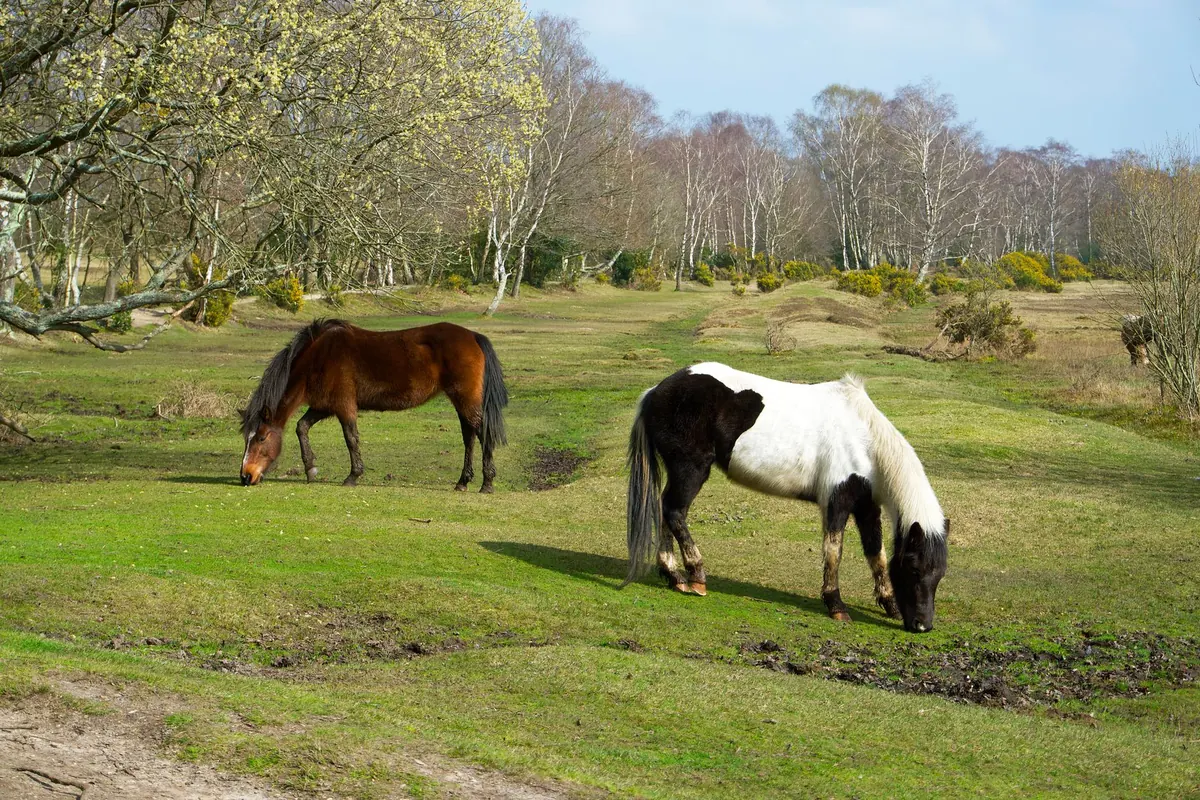
Heathland is a lowland habitat: open, treeless ground dominated by dwarf shrubs, above all heather (Calluna vulgaris), bell heather (Erica cinerea), cross-leaved heath (Erica tetralix) and gorse. It sits on acidic, nutrient-poor ground, generally below 300 metres, in the warmer, drier parts of the country. In Britain, the classic lowland heaths are found in Surrey, Hampshire, Dorset, the New Forest, Norfolk, Suffolk, Cornwall and parts of the Midlands and Sussex.
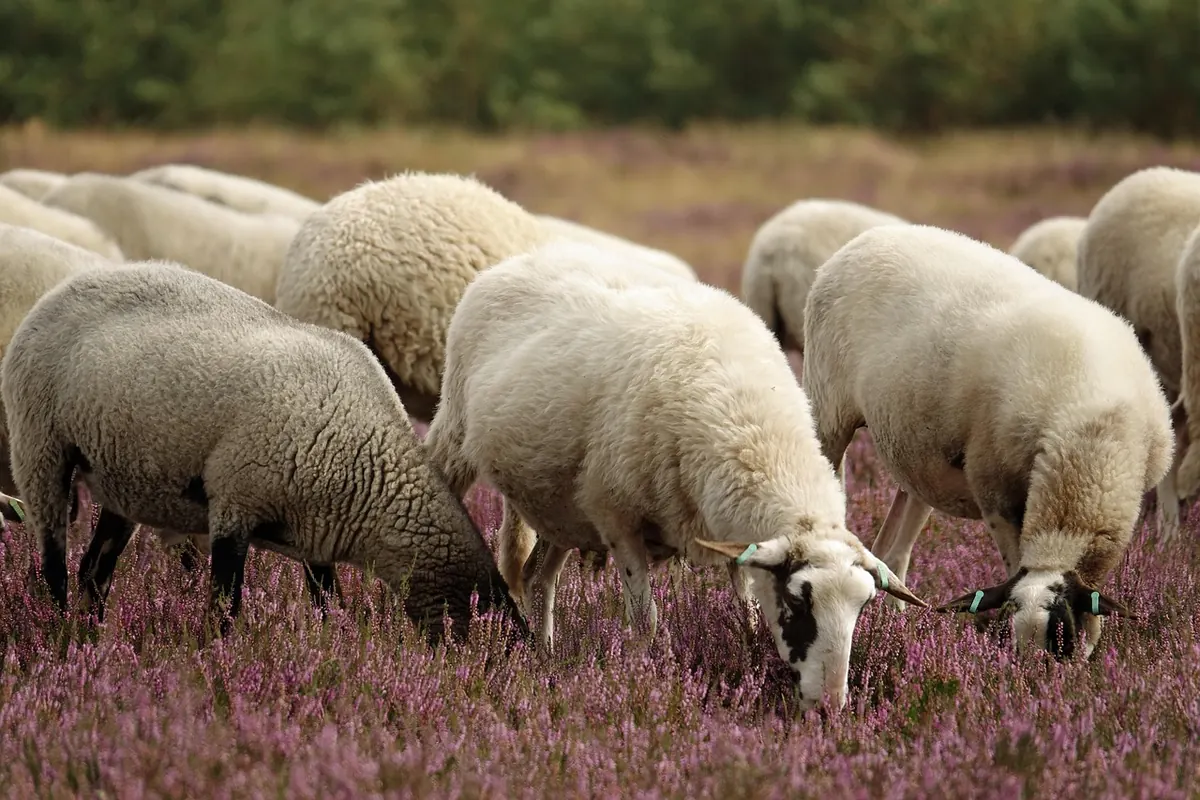
Crucially, heathland is a man-made landscape. It is not a climax community waiting to happen; it is a pause. Left alone, most lowland heath would scrub over with birch and pine and become woodland within fifty years. What kept it open for centuries was a combination of grazing, cutting of turf and bracken, and harvesting of heather for thatch, bedding and fuel. When those practices faded in the twentieth century, the heathland went with them: England is thought to have lost around 80 per cent of its lowland heath since 1800. Globally it is rarer than rainforest, and Britain holds a substantial share of what survives.
Heathland Soils: Sandy, Starved and Acidic
Dig into a lowland heath and you find sand or gravel, often with a thin, dark layer of humus sitting on top of a pale, leached horizon — a podzol. Water drains quickly, nutrients wash straight through, and anything that wants to grow there must tolerate drought, acidity and near-starvation. That is why heather, gorse and bracken do so well, and why so few of the plants you would recognise from a garden centre do.
What Exactly Is Moorland?
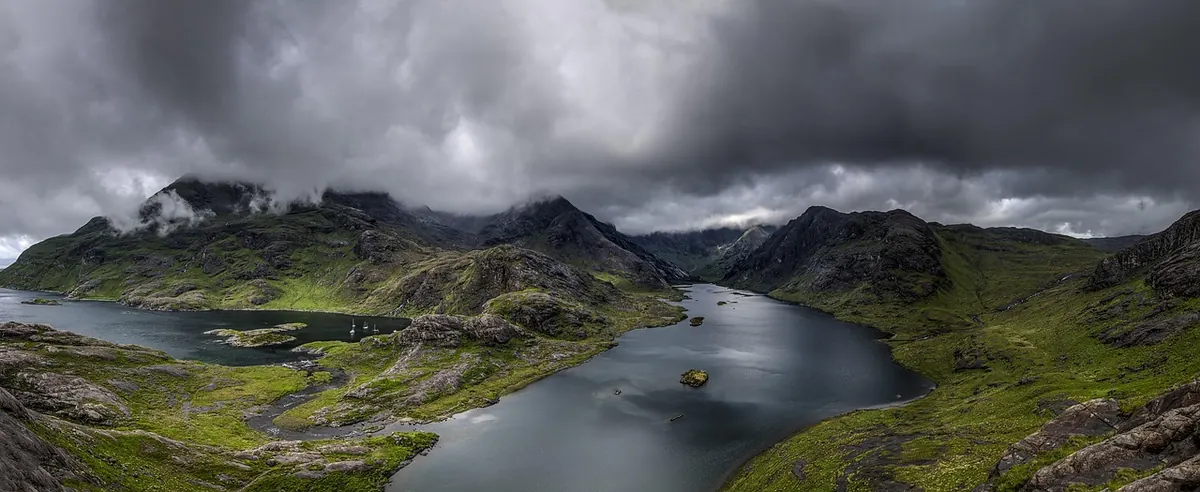
Moorland is the upland equivalent — and then some. It occupies higher ground, typically from around 250–300 metres upwards into the hills of Scotland, northern England, Wales and Ireland. The climate is colder, wetter, windier and cloudier. Heather is still there, but it shares the ground with purple moor-grass, cotton-grass, bilberry, crowberry, deer grass and a suite of bog mosses. Trees are absent, and not only because of grazing: above a certain altitude and exposure, most broadleaved trees simply cannot establish.
Moorland is frequently a mosaic. Dry heath on the slopes gives way to wet heath and blanket bog in the hollows, with flushes, springs and bog pools stitched through it. That mosaic is part of the point: a single "moor" may contain five or six distinct habitats within a few hundred metres of each other.
A Landscape Built on Peat
The defining substrate of true moorland is peat — partially decomposed plant material that has accumulated over thousands of years in waterlogged, oxygen-poor conditions. Blanket bog peat can be metres deep and represents a vast store of carbon. Destroy that surface through drainage, burning or erosion, and the carbon goes back into the atmosphere; keep it wet and it keeps accumulating, if very slowly. This is why moorland management is now as much about climate as it is about grouse or sheep.
The Differences That Matter
- Altitude: heathland is lowland, usually below 300 metres; moorland is upland, above roughly 250–300 metres.
- Soil: heath sits on free-draining, acidic sand and podzols; moor sits on waterlogged peat and peaty gleys.
- Climate: heath is drier, sunnier and milder; moor is wetter, cooler and windier.
- Origin: lowland heath was created and maintained by people — grazing, cutting, turf-stripping; moorland is a natural climactic zone shaped further by grazing and burning.
- Vegetation: heath is dominated by dwarf shrubs; moor adds grasses, sedges and bog mosses in abundance.
- Rarity: lowland heath is globally scarce; moorland and blanket bog are concentrated in the British Isles and a few other cool, oceanic uplands.
A useful rule of thumb: heathland is a landscape people made, and moorland is a landscape weather made — with people editing it ever since.
Wildlife: The Fastest Way to Tell Them Apart
If you are unsure about the altitude or the soil, look instead at what is flying, calling and flowering.
- Lowland heath: Dartford warbler, nightjar, woodlark, stonechat, sand lizard, smooth snake, adder, silver-studded blue and grayling butterflies, heath tiger beetle, night-flowering catchfly.
- Upland moor: red grouse, curlew, golden plover, dunlin, snipe, merlin, hen harrier, short-eared owl, mountain hare, emperor moth, cloudberry, dwarf birch.
- Overlap: heather, bilberry, bracken, gorse, meadow pipit, skylark, kestrel — which is exactly why the two habitats get confused in the first place.
Where the Line Blurs
Dartmoor, Exmoor, Bodmin Moor and the North York Moors sit in an awkward middle ground: high enough to behave like moorland in climate and peat, low enough to be heathland in places. The honest answer is that many of these are upland heath with blanket bog on top — a mosaic, not a tidy category. Terminology also varies by language: the German Heide and Dutch heide cover ground that English might call either heath or moor, and much of what continental ecologists label heath would be called moorland in a British field guide.
How Both Are Managed — and Why It Matters
Neither habitat survives on benign neglect. Lowland heath needs grazing by cattle, ponies or sheep, rotational cutting of scrub, and bracken control; without it, birch and pine take over within a few decades. Moorland is managed by a mixture of controlled burning of heather on long rotations, grazing, drain-blocking and, increasingly, rewetting of peat to keep carbon in the ground. Both are contested ground — between conservationists, farmers, commoners, grouse managers, walkers and those who simply want a carbon store left alone.
Why the Distinction Matters
The labels are not academic. Most lowland heath and upland moor in Britain is designated as a Site of Special Scientific Interest, with many areas also protected as Special Areas of Conservation or Special Protection Areas. Funding schemes, restoration targets and legal protections are pinned to these categories. Get the category wrong and the prescriptions are wrong: a heath drained like a moor loses its reptiles; a bog burned like a heath releases carbon and dries the peat. Recognising what you are standing on is the first step in arguing sensibly about how it should be treated.
Reading the Landscape: A Walker's Checklist
- Check your altitude. Below roughly 250 metres, you are almost certainly on heathland.
- Look down. Sand or gravel underfoot suggests heath; springy, dark, water-retaining peat suggests moor.
- Look for grasses. Purple moor-grass and cotton-grass in quantity point firmly to moorland.
- Check the trees. Scattered birch and pine scrub means lowland heath; a genuinely treeless expanse at altitude means moor.
- Listen. A nightjar churring at dusk in the south is a heath sound; curlew and golden plover calling over empty hills is a moor sound.
None of this makes either habitat less worth a visit. Both are strange, beautiful, semi-natural places, and both are far more fragile than their empty horizons suggest. Learn the difference, and every walk across them becomes a little more legible — you stop seeing a purple hill and start seeing a history, a soil, and a set of choices about how the land will be kept.
Photo: Pexels / Pixabay